
















The Breather Breathing Trainer Lung Recovery Exerciser
Usually ships in 1 - 3 Days
$39.00
Want it shipped today?
Order within: 0 days 11 hours and 45 minutes
Buy with confidence.
Contact our experts today.
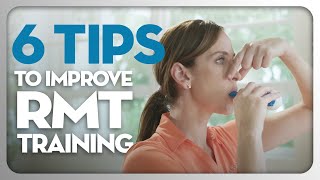
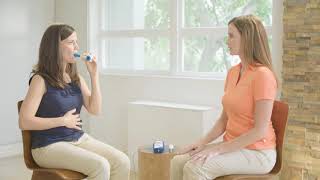
The Breather is an Inspiratory/Expiratory Respiratory Muscle Training device (RMT). It is a FDA Class 1 device in service for 30 years with almost 1 Million units sold. Increasing muscle strength using resistance training is effective in peripheral skeletal and respiratory muscles. Breathing against resistance during respiratory muscle training (RMT) activates and strengthens respiratory muscles and improves health and quality of life by promoting regained activity and exercise tolerance.
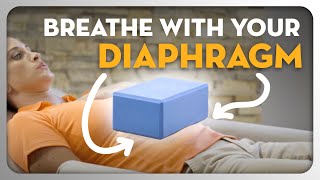
Resistive Inspiratory and Expiratory Muscle Therapy (RMT) Adjustable and independent pressure settings Patient can be in any position for therapy Lightweight and portable Easy to use and clean Reimbursable through Medicare Free and easy self-paced video protocol training for therapist and patient. Strengthens inspiratory muscles (diaphragm, external iIntercostals, accessory neck muscles) Builds expiratory muscles (internal intercostals, abdominals) Develops breathing from the diaphragm Lessens shortness of nreath Decreases overinflation Put one hand on stomach When breathing in, stomach should move outward There should not be much movement in the chest The shoulder should not move When breathing out, stomach should move inward Again, little movement in the chest No movement in the shoulders.
Strengthens inspiratory muscles (diaphragm, external iIntercostals, accessory neck muscles) Builds expiratory muscles (internal intercostals, abdominals) Develops breathing from the diaphragm Lessens shortness of nreath Decreases overinflation Put one hand on stomach When breathing in, stomach should move outward There should not be much movement in the chest The shoulder should not move When breathing out, stomach should move inward Again, little movement in the chest No movement in the shoulders.
- Resistive Inspiratory and Expiratory Muscle Therapy (RMT).
- Adjustable and independent pressure settings.
- Patient can be in any position for therapy.
- Lightweight and portable.
- Easy to use and clean.
- Reimbursable through Medicare.
- Free and easy self-paced video protocol training for therapist and patient.
Product Specifications
| Healthy Adult Range: | -243 Cmh2O To +126 Cmh2O |
|---|---|
| Respiratory Impaired Range: | -52 Cmh2O To +31 Cmh2O |
| Settings: | 6 Inspiratory, 5 Expiratory |
| Weight: | 1.6 Oz |
| Length: | 4.5" |
|---|---|
| Use: | Single User Device |
| Dimensions: | 129 x 43 x 46 mm |
| Registration: | 1058052 |
Videos for this product